The celebrated non-holiDay : halloween
OCTOBER 31ST
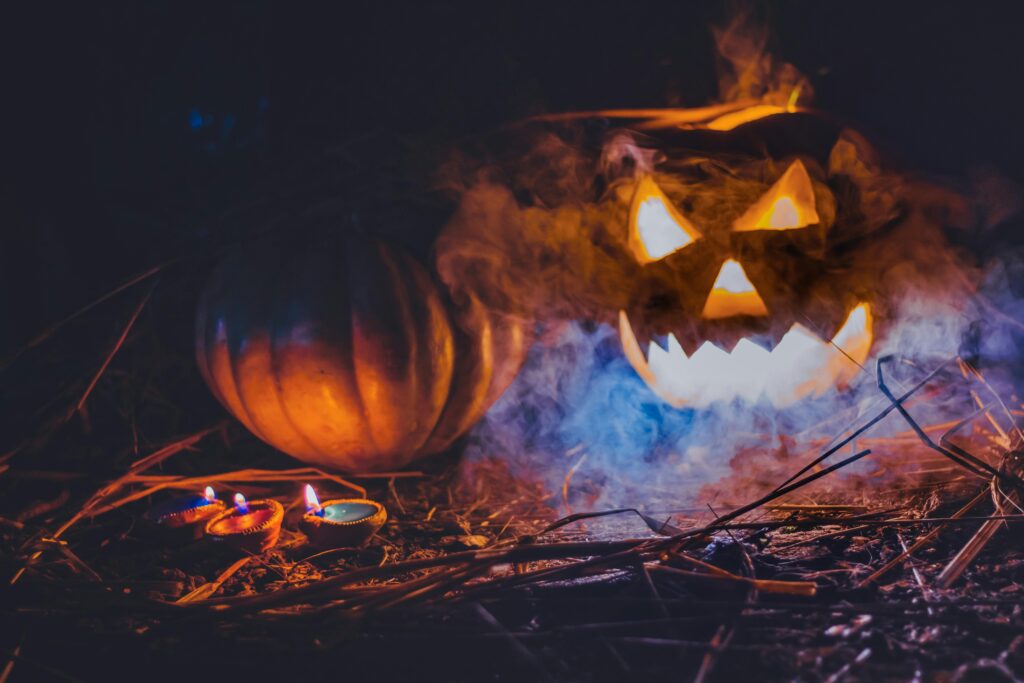
history of halloween
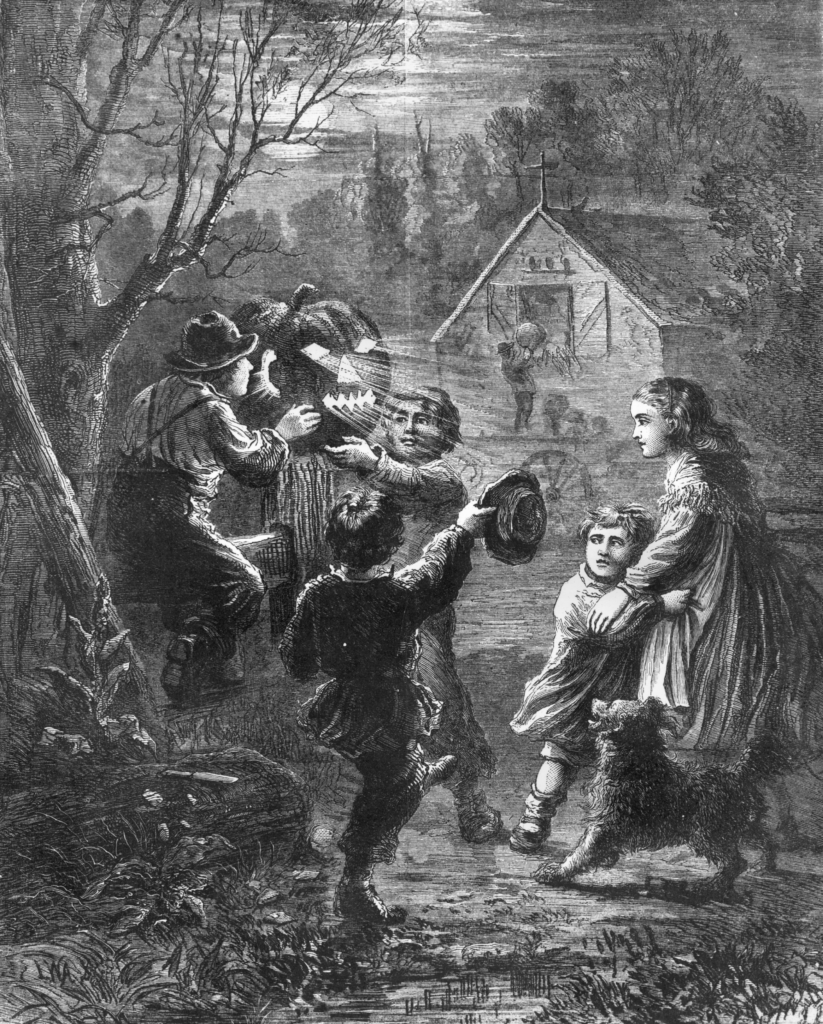
October 31st is known as Halloween, and its fascinating history started for over 2,000 years ago in Ireland, Scotland, and Northern France.
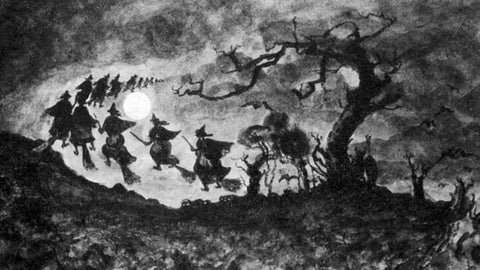
In the 8th century, Pope Gregory III designated November 1st as All Saints’ Day, a day to honor saints and martyrs. The night before became All Hallows’ Eve, which eventually evolved into “Halloween.”
Despite this Christian overlay, many old Samhain traditions survived. People continued lighting lanterns, wearing disguises, and telling ghostly tales — blending pagan folklore with Christian observance in a cultural mash-up that would last for centuries.
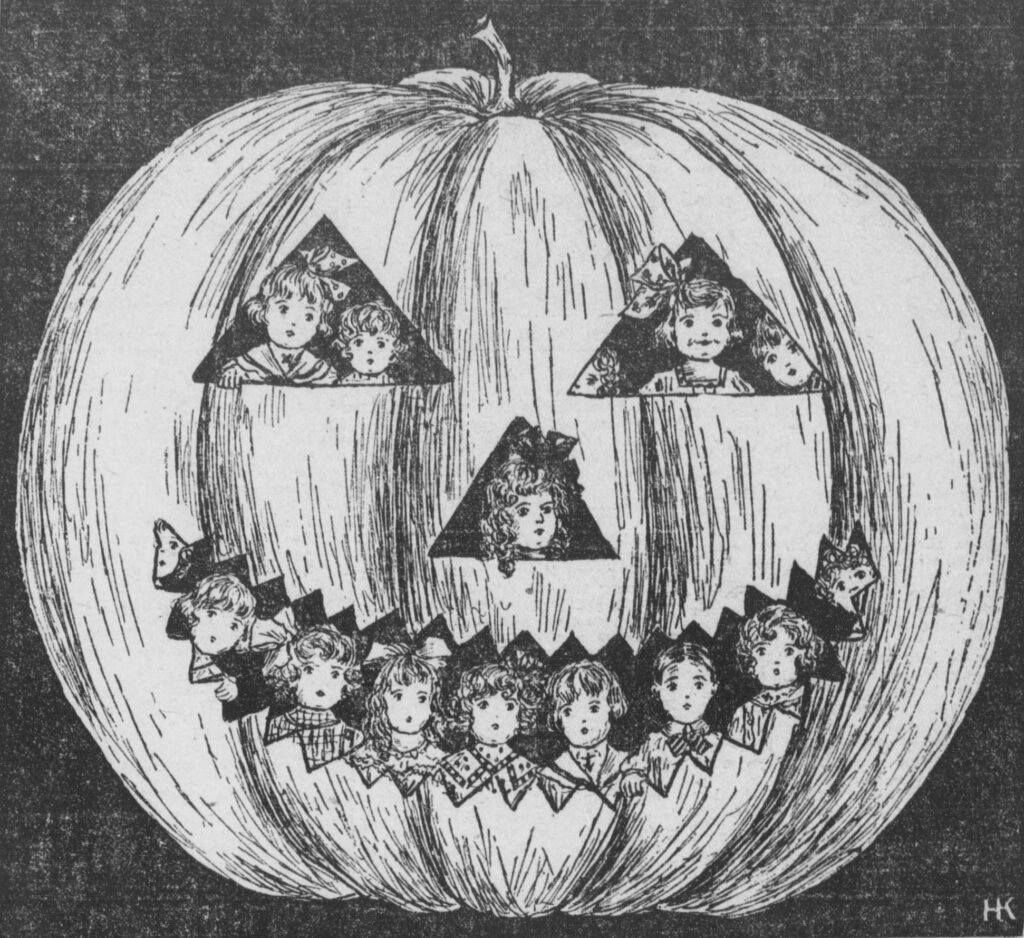
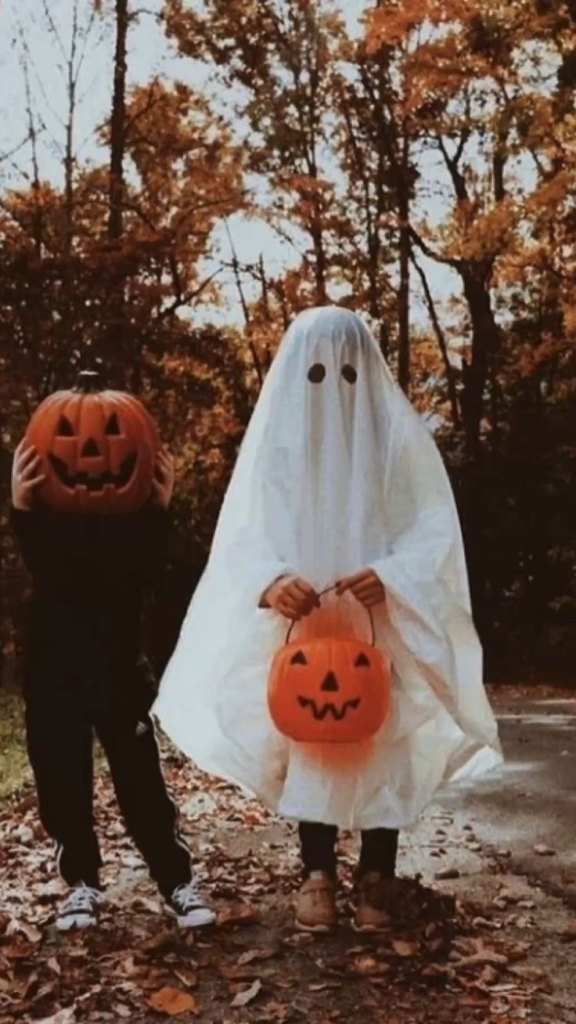
This celebration has made an impact because many of its traditions, such as costumes, bonfires, jack-o’-lanterns, and more, have endured for many years.
halloween historic figures
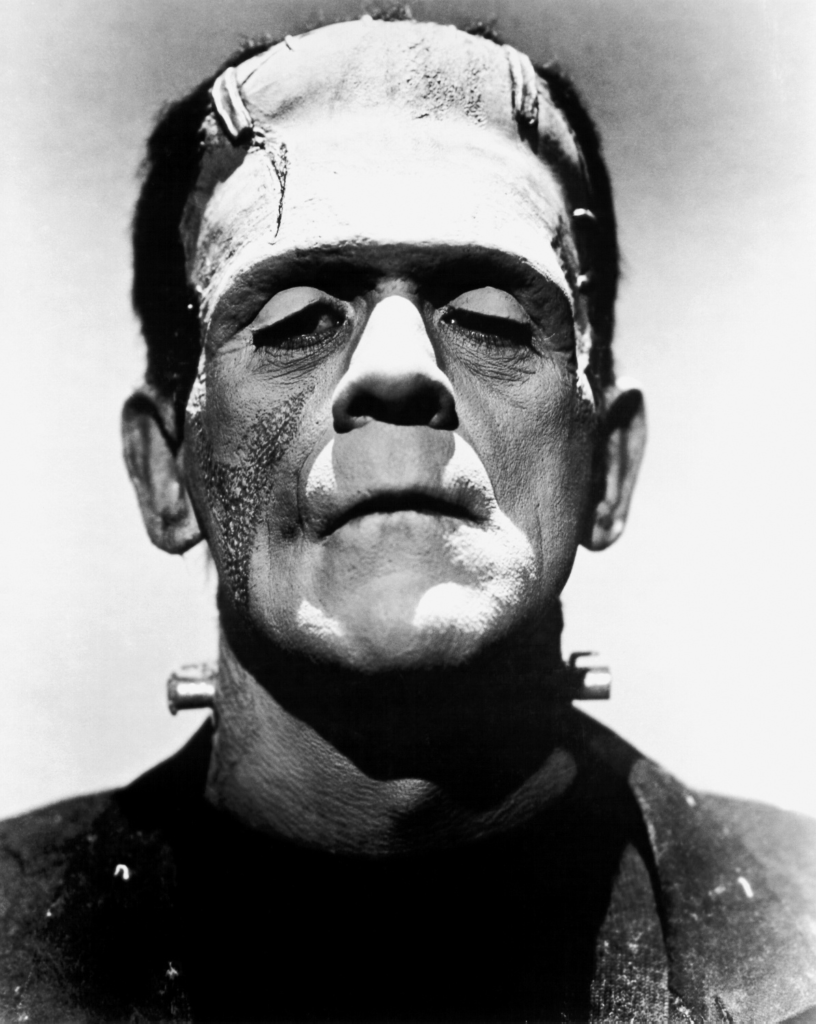
Frankenstein’s monster
His works are central to the holiday’s atmosphere of horror and the macabre, focusing on themes of death, madness, and the supernatural.
Mary Shelley
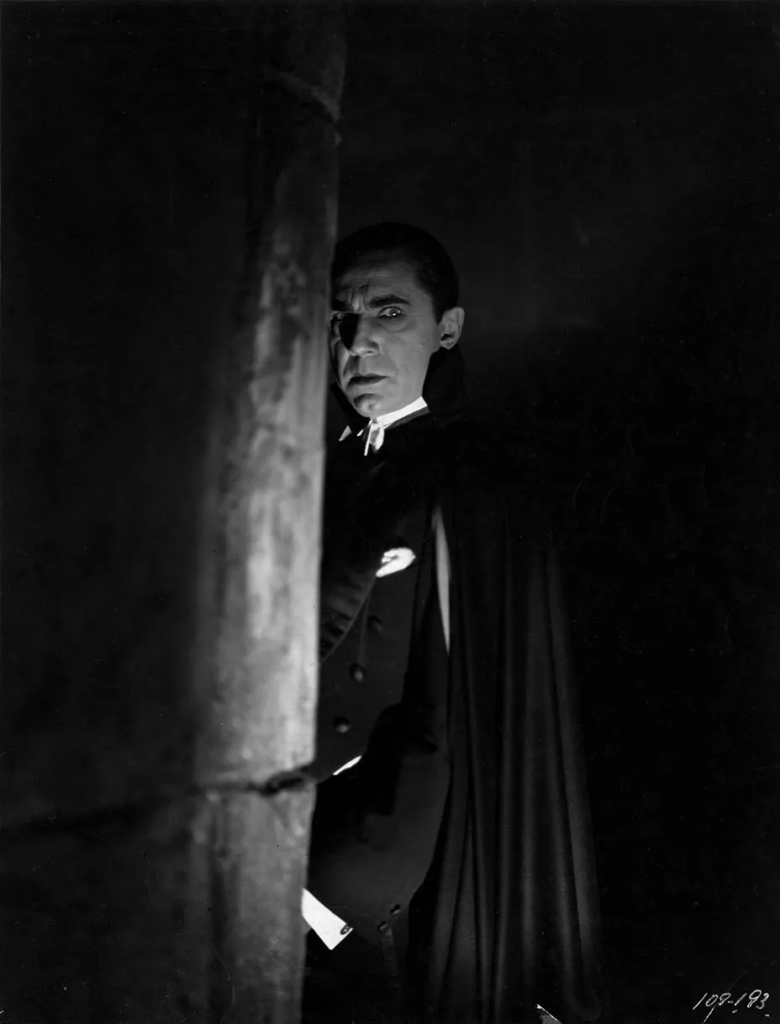
Count Dracula
Count Dracula symbolizes the ancient past and foreign threat, while his defeat by modern, rational, and educated Englishmen represents the triumph of science and progress.
Bram Stoker
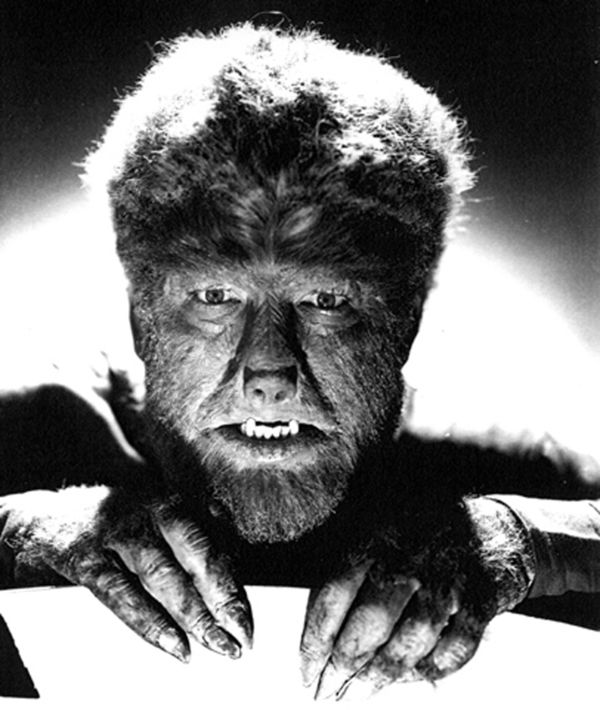
Werewolf
Werewolf explores themes of duality, transformation, and the struggle between civilization and primal instinct.
Greek myth of King Lycaon
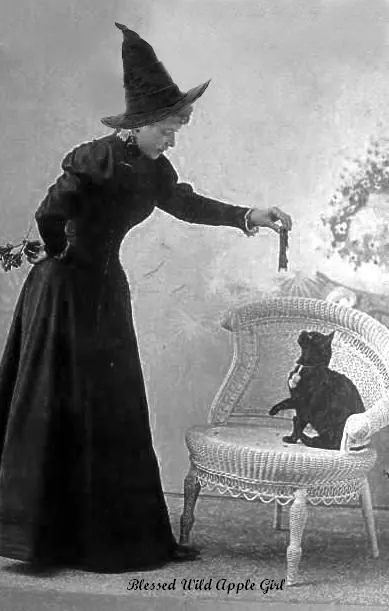
Witch
They were figures of fear associated with dark magic or devil worship, but have evolved to become symbols of empowerment, wisdom, and independence in modern narratives.
Hecate & morgan le fay
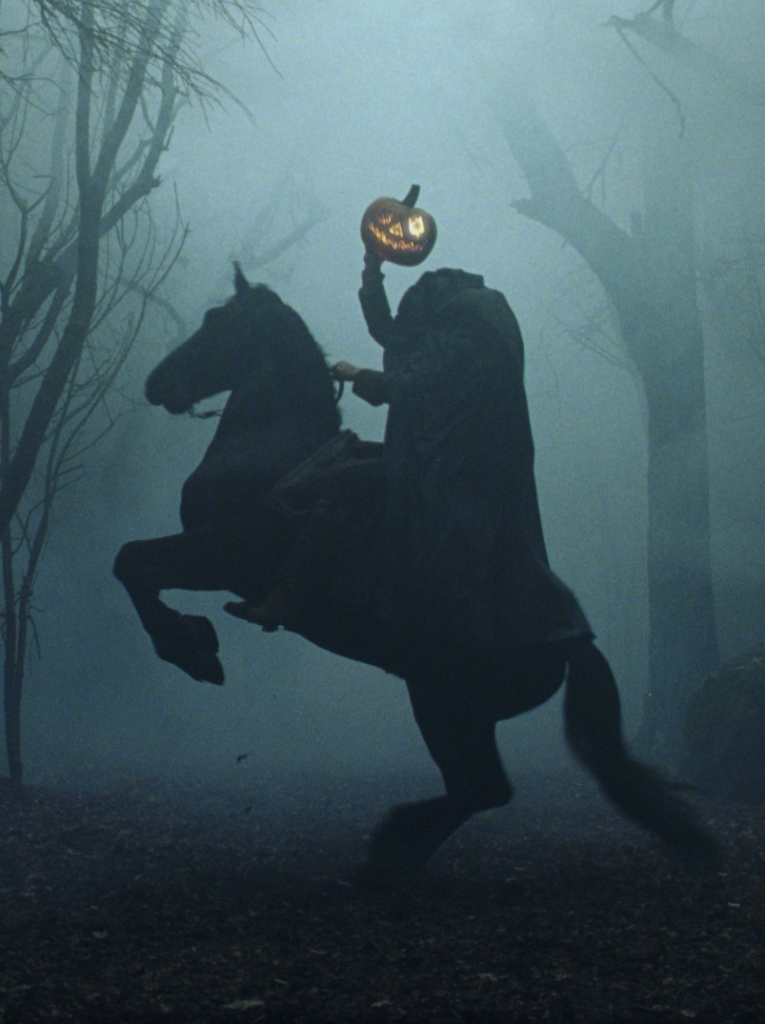
Headless Horseman
Symbolizes the clash between the rational and supernatural, the haunting power of the past, and the fear of the unknown
Washington irving
Halloween public figures
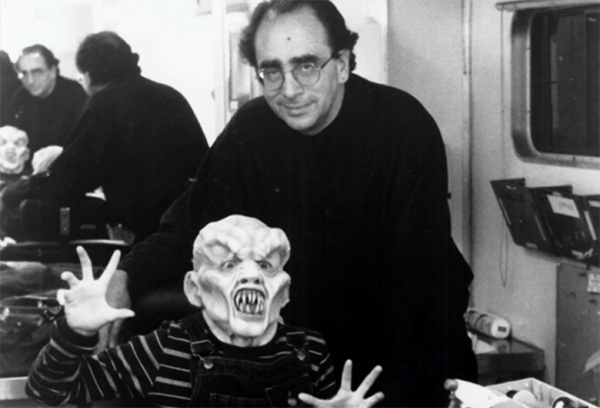
R.L STINE
Novelist
He is often referred to as the “master of childhood chills” or the “unofficial mayor of Halloween” by his fans and the media.
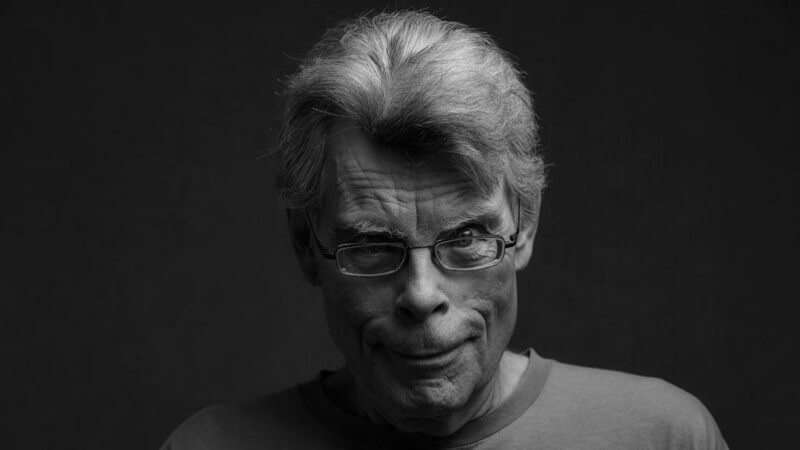
STEPHEN KING
Author
His reputation as the “master of horror” led to him being a popular Halloween public figure.
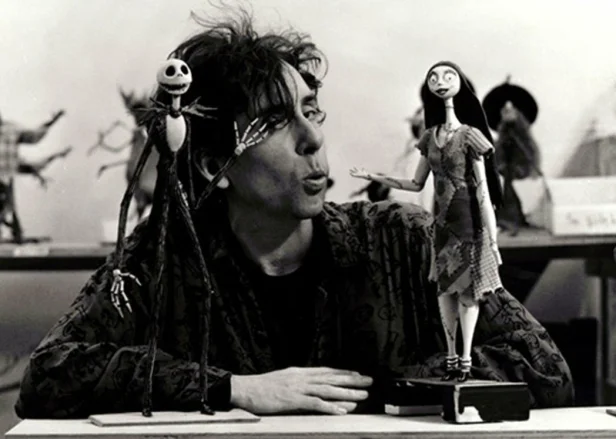
TIM BURTON
Director
His films, their aesthetic, and their characters have a profound and lasting cultural impact, making them a central part of Halloween celebrations for many people.
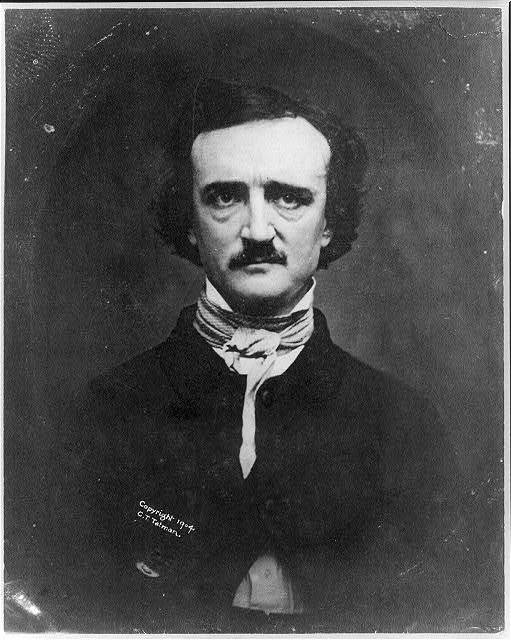
EDGAR ALLAN POE
Writer & Poet
His works are central to the holiday’s atmosphere of horror and the macabre, focusing on themes of death, madness, and the supernatural.
“We make up horrors to help us cope with the real ones.” —Stephen king.
Importance of Halloween
Halloween is important in America because it blends ancient traditions with modern culture, creating a holiday that celebrates creativity, community, and fun. Originally rooted in Celtic and Christian customs, it evolved through immigration and became a uniquely American event focused on costumes, trick-or-treating, and neighborhood gatherings. Today, Halloween is one of the country’s biggest cultural and economic celebrations, bringing people together while also fueling industries like entertainment, candy, and fashion. It reflects America’s ability to adapt old traditions into new forms of shared expression and joy.
Halloween has also inspired the music industry. Its spooky atmosphere and focus on imagination have led artists to create songs that capture fear, mystery, and fun—like Michael Jackson’s “Thriller” or “Monster Mash.” The holiday’s dark and theatrical elements also shaped genres such as rock, metal, and gothic pop, where costumes and dramatic performances are central. Each year, Halloween boosts streams, concerts, and themed events, showing how the holiday continues to inspire creativity and connect music with the excitement of the season.
Introducing Block Patterns
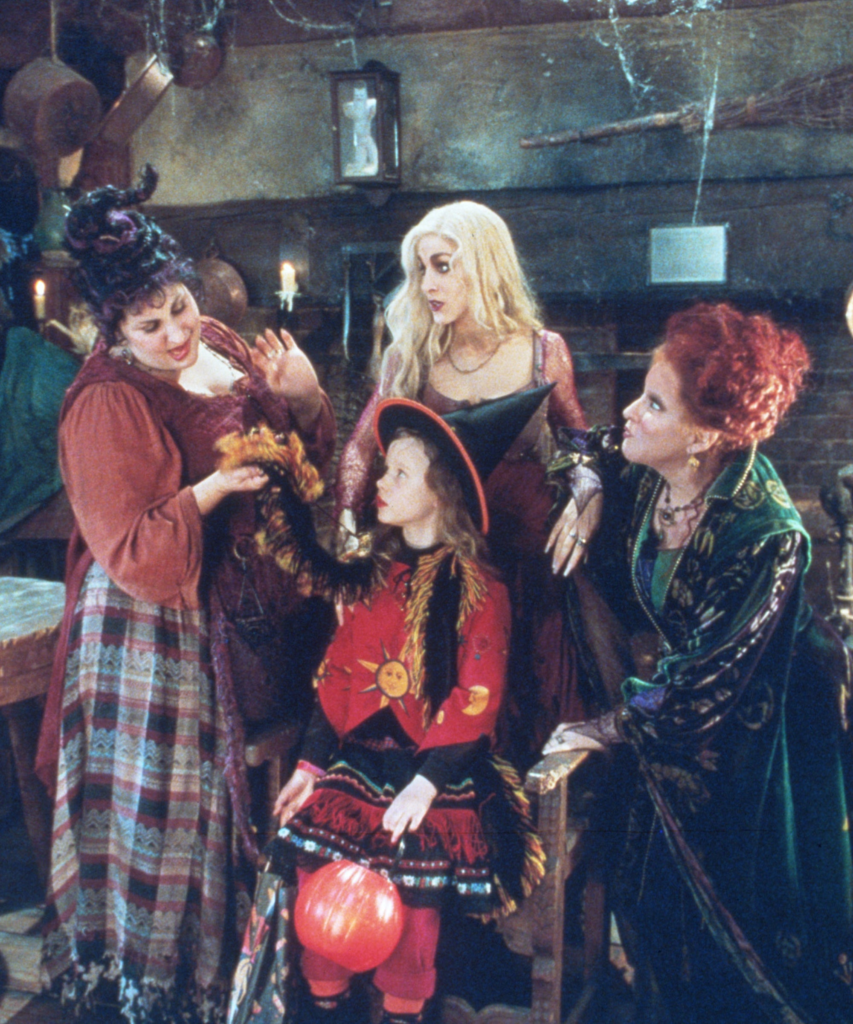
This particular unofficial holiday has had a huge impact on the film industry by inspiring an entire genre of horror and suspense movies. The themes of fear, mystery, and the supernatural have shaped classics like Halloween (1978), which helped define modern slasher films. Halloween settings allow filmmakers to explore ideas about good vs. evil, masks, and identity while entertaining audiences with scares and suspense. Over time, the season has also inspired family-friendly movies like Hocus Pocus and The Nightmare Before Christmas, showing how Halloween in film ranges from frightening to fun and continues to influence pop culture every year.
Halloween has had a major influence on shows like American Horror Story, which use the holiday’s dark and mysterious themes to explore fear, death, and the supernatural. In American Horror Story, Halloween episodes often reveal deeper character secrets and connect to ghostly or otherworldly events, emphasizing the idea that the line between the living and the dead is blurred on that night. The show captures the true spirit of Halloween, mixing horror, drama, and artistry. It also shows how the holiday can inspire powerful storytelling that explores human fears and fascination.
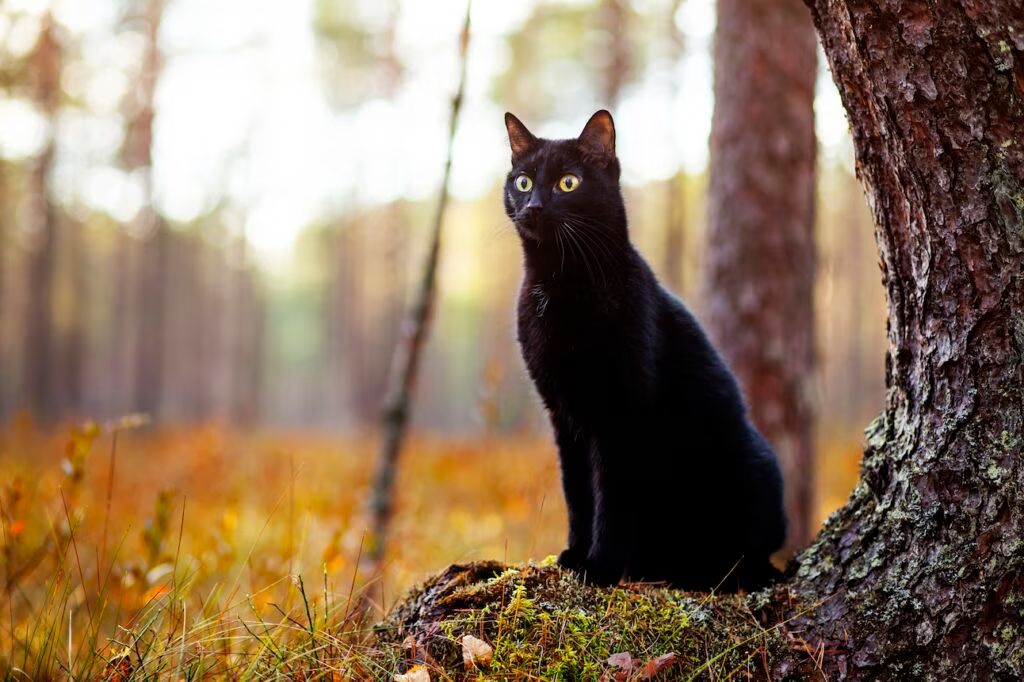
The black cat is a well known symbol of Halloween, representing mystery, superstition, and the supernatural. Its meaning comes from old beliefs that black cats were witches’ companions or could bring bad luck, especially during the Middle Ages. Over time, these legends became part of Halloween imagery, linking black cats to magic and the unknown. Today, they’re seen as both spooky and charming icons of Halloween, symbolizing the blend of fear, folklore, and fun that defines Halloween.
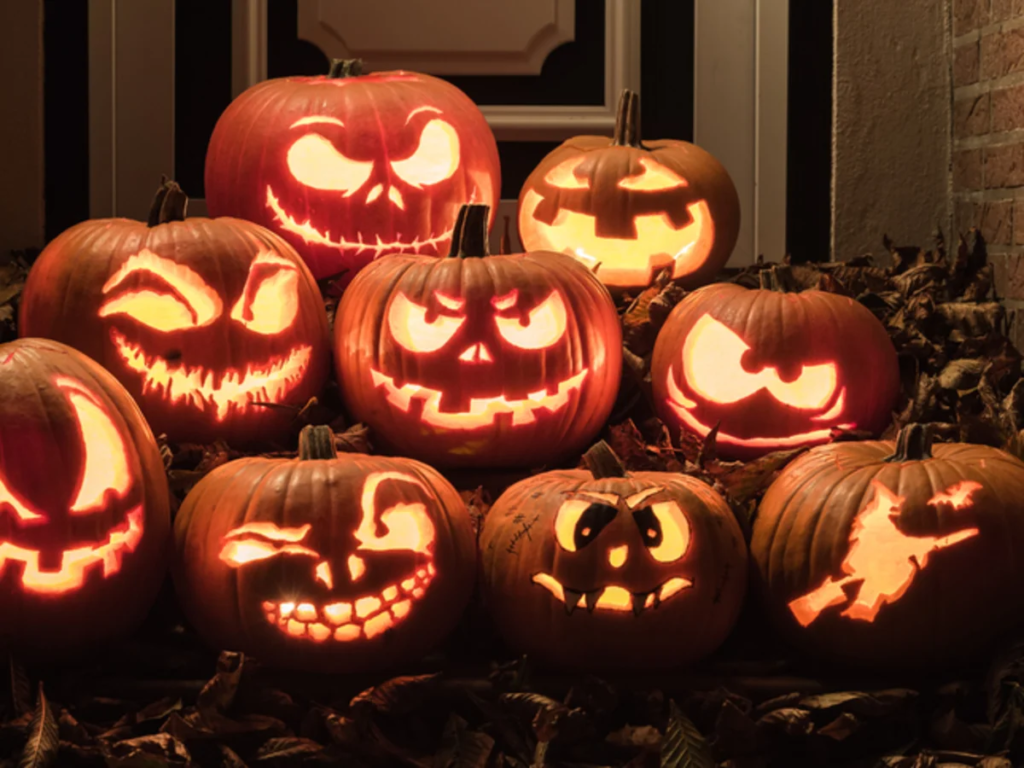
The Meaning Behind Jack O‘Lanterns During Halloween Time
The jack-o’-lantern symbolizes light guiding the way through darkness and protection from evil spirits during Halloween. Its origin comes from an Irish legend about “Stingy Jack,” who was cursed to wander the earth with a glowing coal in a carved turnip. When the tradition came to America, pumpkins replaced turnips, becoming the classic Halloween decoration. Now jack-o’-lanterns represent both the spooky and fun sides of Halloween.
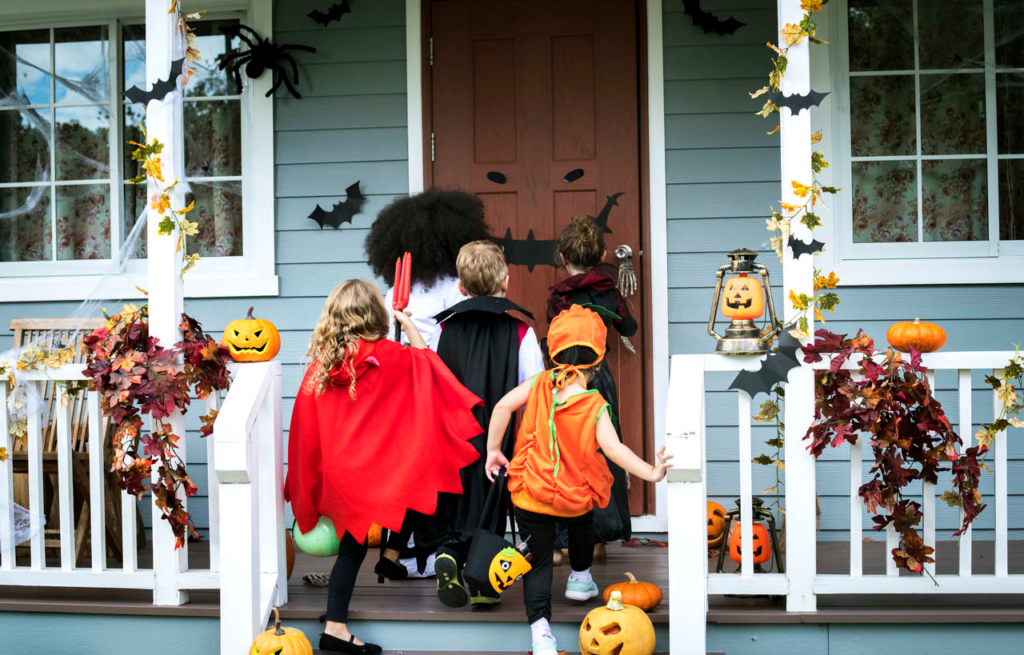
Trick or Treating
Trick-or-treating is a central Halloween tradition that combines fun, community, and historical roots. It evolved from ancient Celtic and medieval customs, where people offered food or money to appease spirits or during “souling” and “guising” traditions. Today, children go door-to-door in costumes, receiving candy and celebrating creativity and imagination. Trick-or-treating encourages neighborhood interaction, family participation, and festive fun, making it a key way Halloween connects people and preserves its cultural heritage.
About Us
This is a place we would like to be open about, a loved and hated, celebrated non-holiday that has been a nationwide day for centuries. Even though it is very celebrated for many years, it is still not a holiday.